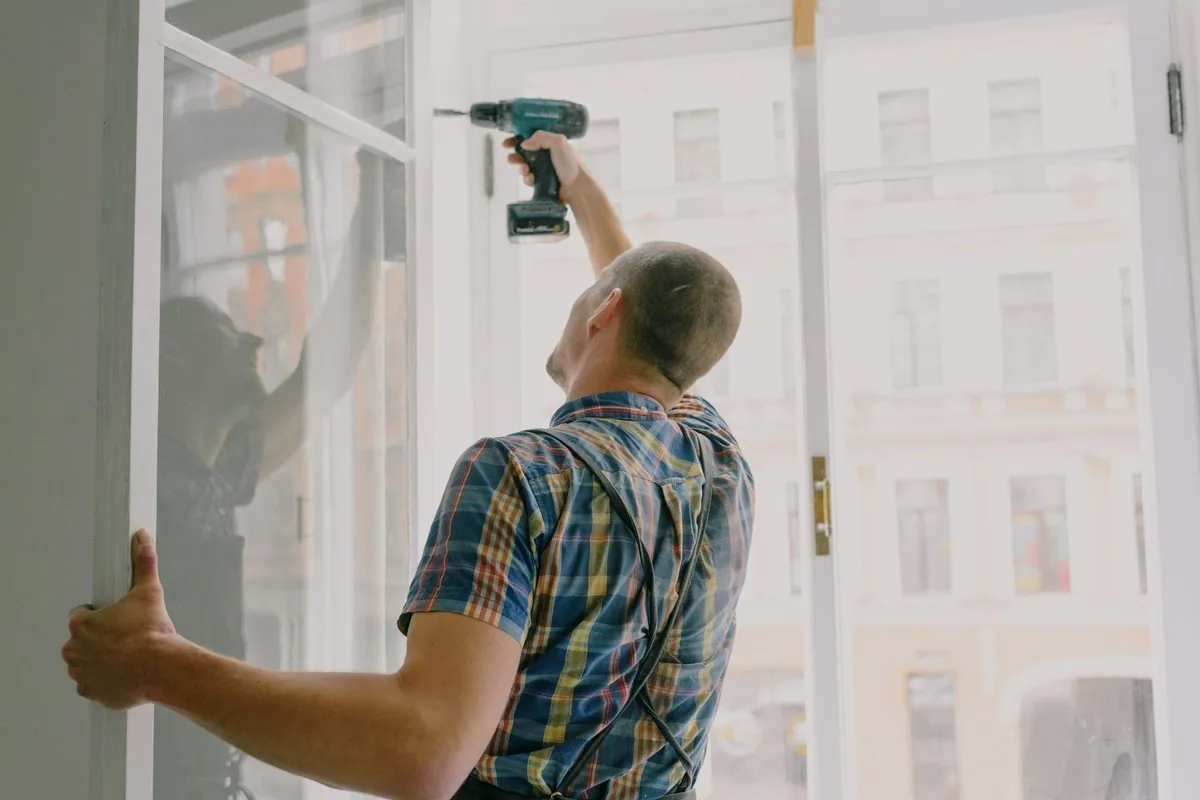
Access on Domestic Glazing Jobs
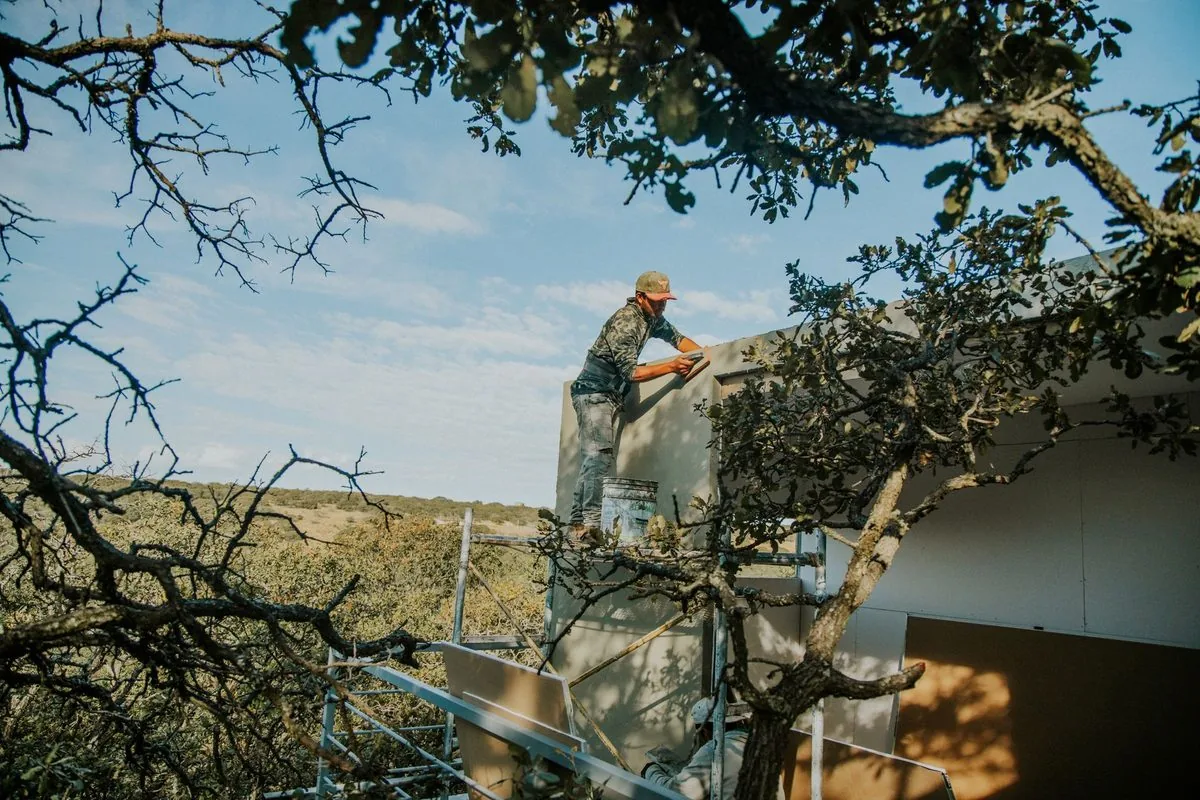
The dangerous part of fitting a window is almost never the window. It is the twenty minutes of getting to it.
Domestic Is Where People Get Casual
On a commercial site there is a scaffold, a method statement and somebody whose job it is to notice. On a semi in Leamington there is a van, a pair of ladders and a homeowner making tea. The work at height rules do not change between those two situations but the behaviour does.
Falls from height remain the largest single cause of workplace deaths in construction, and the majority are from below head height. The first-floor bedroom window is exactly the height that kills people.
The Ground Is the Variable
Most domestic access problems are ground problems. A ladder foot on a soft lawn, on a sloped drive, on a decked patio, or on a manhole cover. A stabiliser or a levelling foot solves nearly all of these and costs less than an hour of anyone's labour.
Conservatories, porches and lean-tos are the other recurring headache, because they put an obstruction exactly where the ladder wants to stand. That is what stand-off devices are for, and they also stop the top of the ladder resting on the glass.
Three Points and a Free Hand
The rule that a ladder is for access rather than a working platform gets bent constantly, and for a short low-risk task that is legally allowed. It stops being allowed the moment you need both hands, which is most of glazing.
If the task needs two hands and any real duration, it needs a tower or a platform. That decision is easier to make before the van is unloaded than halfway up.