U-Values, and What the Number Actually Tells You
Every glazing quote carries a U-value. Very few explain what it measures, and the number on the brochure is rarely the number in your wall.
Lower Is Better, and That Is Backwards From Most Specs
A U-value measures how much heat passes through a square metre of the component for each degree of temperature difference. So unlike almost every other figure in a building spec, a smaller number is the good one. Single glazing sits somewhere around 5. A modern double-glazed unit is around 1.2 to 1.4. Triple glazing gets under 1.
The units are watts per square metre per kelvin, which nobody says out loud, and which is why the number floats free of any meaning in most sales conversations.
Centre Pane Versus Whole Window
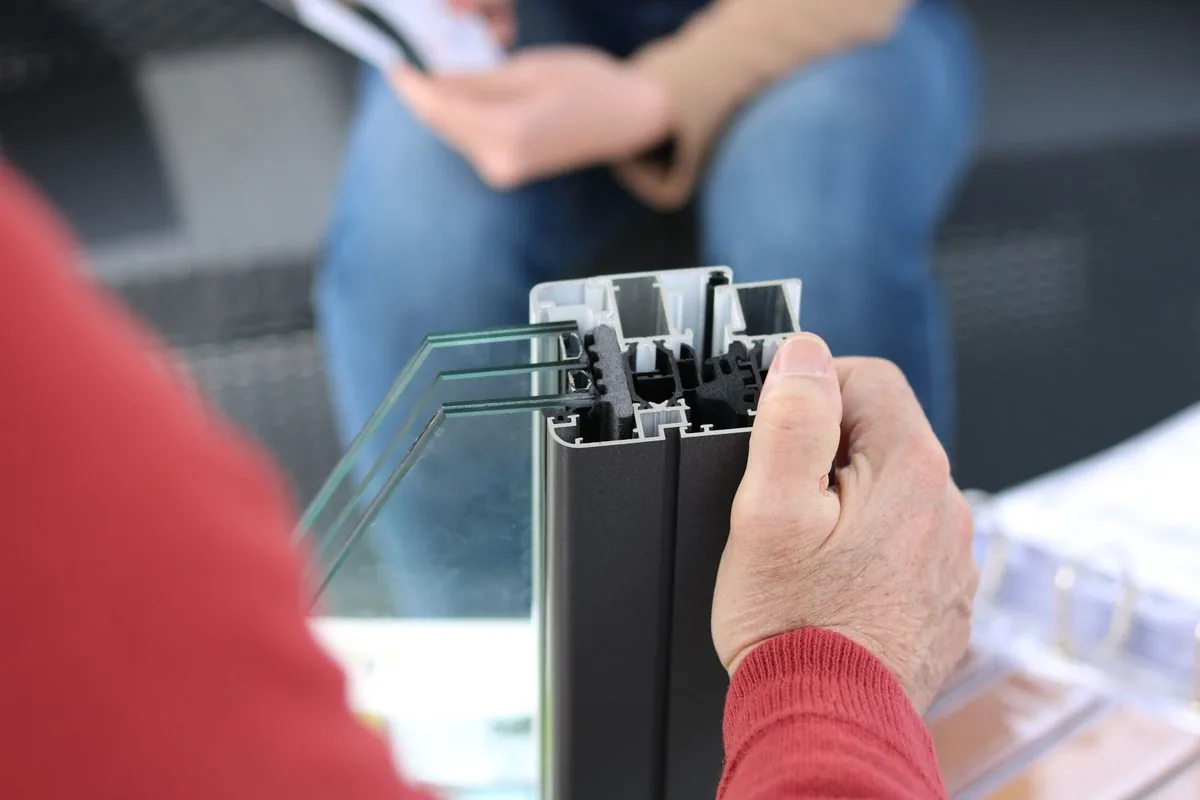
Here is where quotes get slippery. The glass alone performs better than the glass plus the frame plus the spacer, because the edges are where heat escapes. A quote advertising a centre-pane figure is telling you about the best square inch of the product.
Ask for the whole-window U-value. On the same unit it can be several tenths worse, and on a window with a lot of frame relative to glass — a small cottage window with heavy sections — the gap is wider still.
It Is Not the Only Number
A window that performs beautifully on paper and is fitted badly will lose more heat around the perimeter than through the glass. Air leakage does not show up in the U-value at all.
Solar gain is the other half of the story. A north-facing room wants the lowest U-value you can afford. A south-facing room may do better with glass that lets warmth in during the winter, and the two requirements pull in opposite directions.