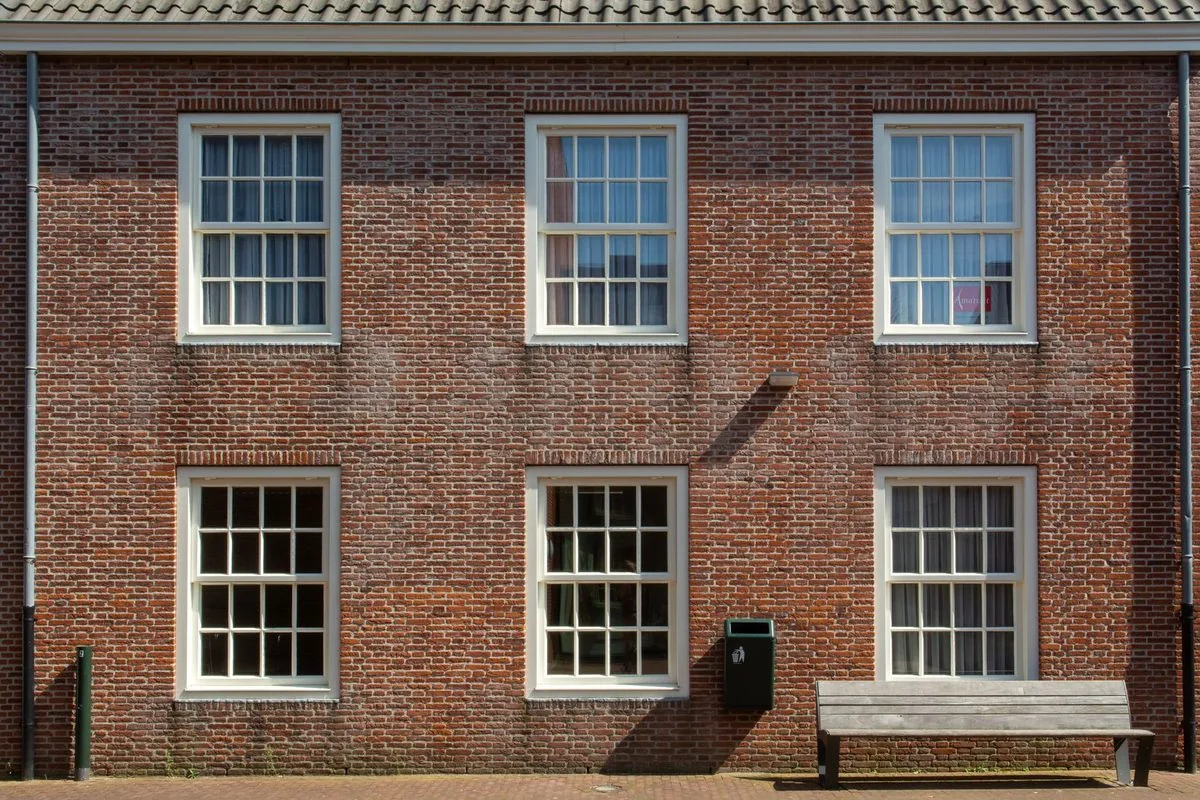
Secondary Glazing in Listed Buildings
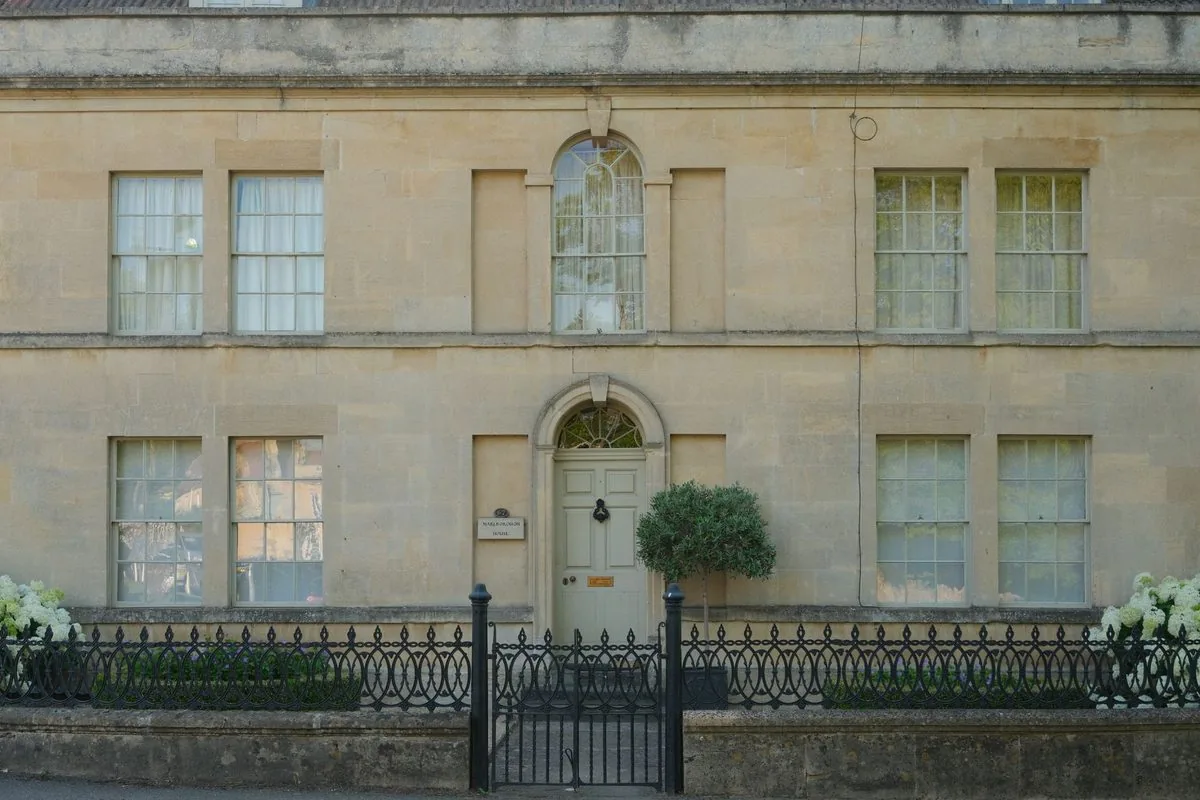
Warwick and Leamington are full of buildings you cannot touch. Secondary glazing is the compromise that keeps the conservation officer and the heating bill both under control.
What You Are Actually Allowed To Do
On a listed building, replacing original windows with double-glazed units is usually refused, and rightly so. Secondary glazing sits on the inside of the existing window as an independent frame, which means the historic fabric is untouched and reversible. That distinction is the whole reason it gets consent where replacement does not.
You still need listed building consent in most cases. The application is far easier to win when the system is slim, sits within the existing reveal, and can be removed without leaving a mark.
It Beats Double Glazing On Noise
This surprises people. A sealed double-glazed unit has a cavity of around 16mm, which is tuned for heat loss rather than sound. Secondary glazing typically sits 100mm or more from the original pane, and that wide air gap is far better at killing traffic noise.
If the problem is a busy road rather than a cold room, secondary glazing is not the compromise option. It is the better one.
Where It Disappoints
It is not invisible. Even a well-fitted system adds a frame line, and on a fine Georgian window with slim glazing bars you will see it. It also needs opening and closing, and any system that is awkward to use gets left shut through the summer.
Condensation between the two layers is the other complaint, and it is almost always a ventilation problem rather than a fault with the glazing. If the outer window is not allowed to breathe, moisture will find the cold surface.