Door Furniture That Survives a British Winter
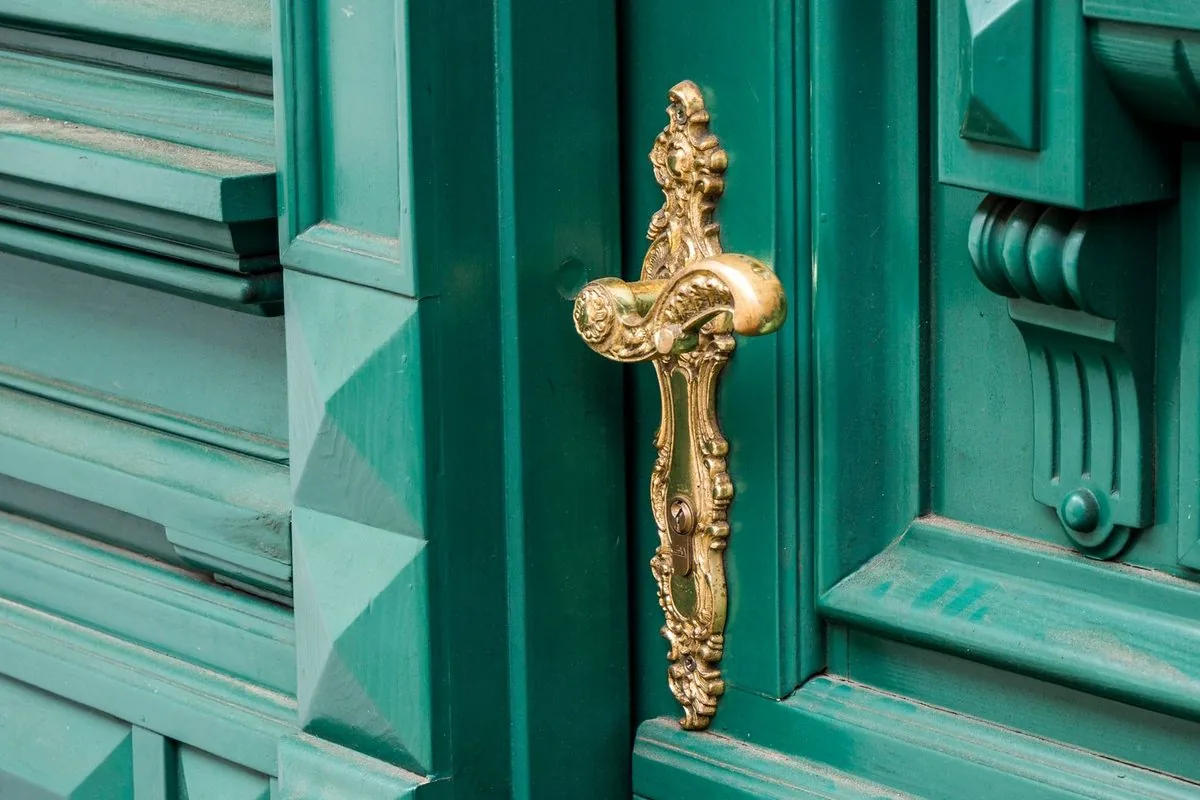
Handles, knockers and letterplates are the parts people choose last and notice most. They are also the parts that corrode first.
The Finish Is the Whole Question
Unlacquered brass will patinate to a deep brown and, on a sheltered door, look better every year. On an exposed elevation it goes green and streaks down the paintwork. Lacquered brass looks perfect for two years and then the lacquer breaks down unevenly, which is worse than either.
Satin stainless in a marine grade is the boring answer and the correct one for anywhere near open weather. Powder-coated aluminium is fine until it is chipped, at which point it corrodes underneath the coating and lifts.
Letterplates Leak
A letterplate is a hole in your front door. On an exposed door it will admit driven rain and a surprising amount of cold air, and the cheap sprung flaps stop sealing within a season.
If you can move the post to an external box, do. If you cannot, buy a plate with a brush seal and a properly weighted external flap, and accept that it needs replacing every few years as a consumable.
Match the Fixings, Not Just the Fitting
The commonest failure on good ironmongery is steel screws in a brass fitting. They rust, they stain the brass, and they seize so thoroughly that removing them damages the door. Use the fixings supplied, and if none were supplied, that tells you something about the fitting.